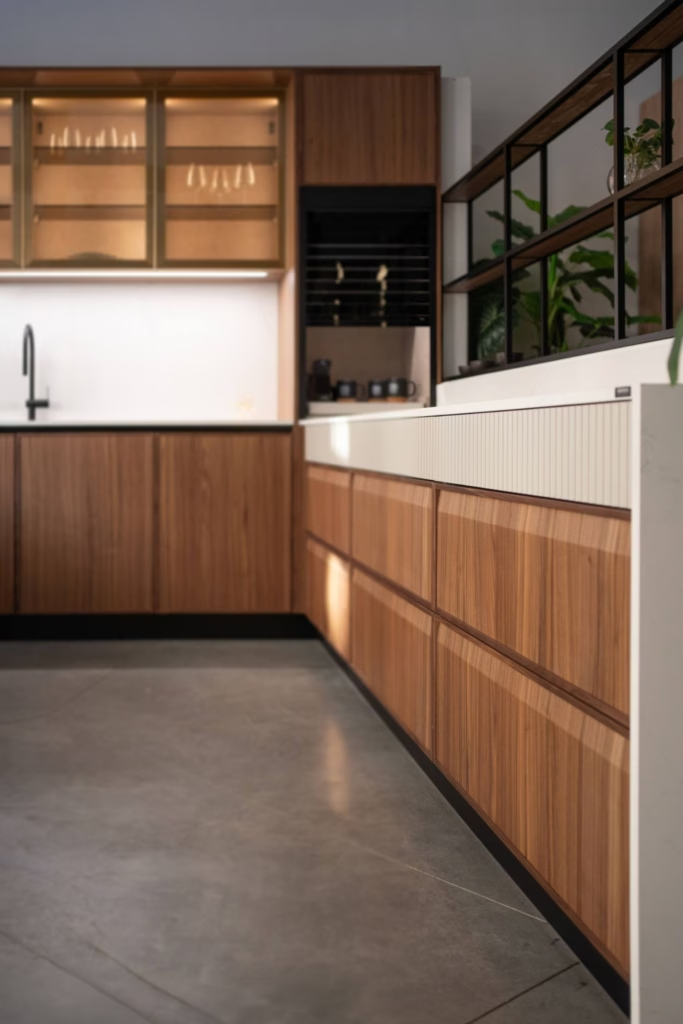
Over the last few years, the most absolute minimalism has dominated kitchen design. Straight lines, smooth surfaces and the total absence of handles became the standard of modernity. However, today’s interior design is experiencing a subtle but steady return to warmth, texture and the search for spaces with more personality.
In this evolution, kitchen cabinets with mouldings have made a strong comeback, proving that classic style never truly goes away—it reinvents itself.
Far from being limited exclusively to country homes and rustic settings, framed or moulded fronts and doors have become a key element in almost any interior style. It will always depend on the type of profile you choose, the colour and the materials that go with it. There isn’t just one type of kitchen with mouldings; there are as many versions as there are design approaches.
The secret to their success? They add visual depth and a three-dimensional feel where flat surfaces can look too plain.
Shaker style
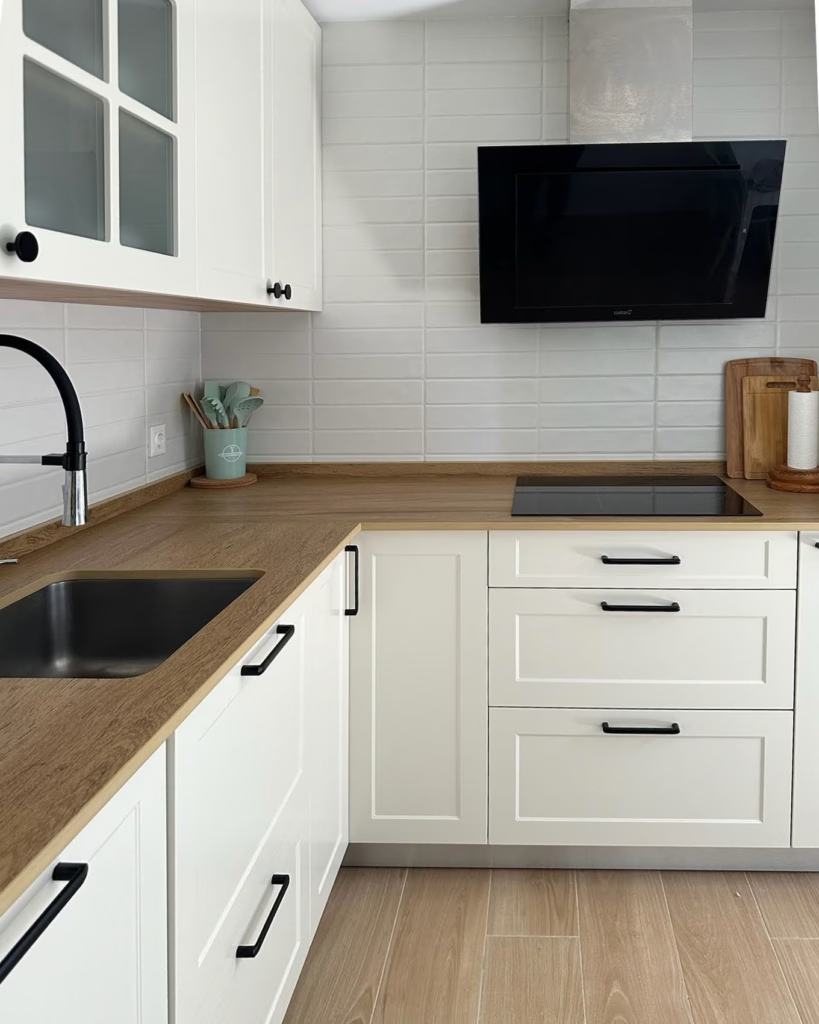
Shaker style is, without a doubt, the most popular option in contemporary projects. It’s characterised by cabinetry with doors featuring a flat perimeter frame and clean lines, without complex recesses or unnecessary ornamentation, like our Lagos or Liverpool models.
Used in white or cream tones, it evokes a timeless, bright elegance that fits perfectly in almost any home. It adds just enough detail for the cabinetry to gain visual presence without overwhelming the space.
Traditional mouldings with relief
For those looking for an aesthetic closer to classic charm or a refreshed rustic look, mouldings with small recesses or rounded profiles add unmatched tactile richness. As they interact with natural light, these mouldings create a play of light and shadow that gives the cabinetry great depth.
If what you’re looking for is to bring back the essence of those old family kitchens, this is your best option.
Colour as a way to transform the profile
If the shape of the moulding defines the structure of the cabinet, colour is what sets its personality. The colour choice on a profiled front can completely transform how the whole space is perceived.
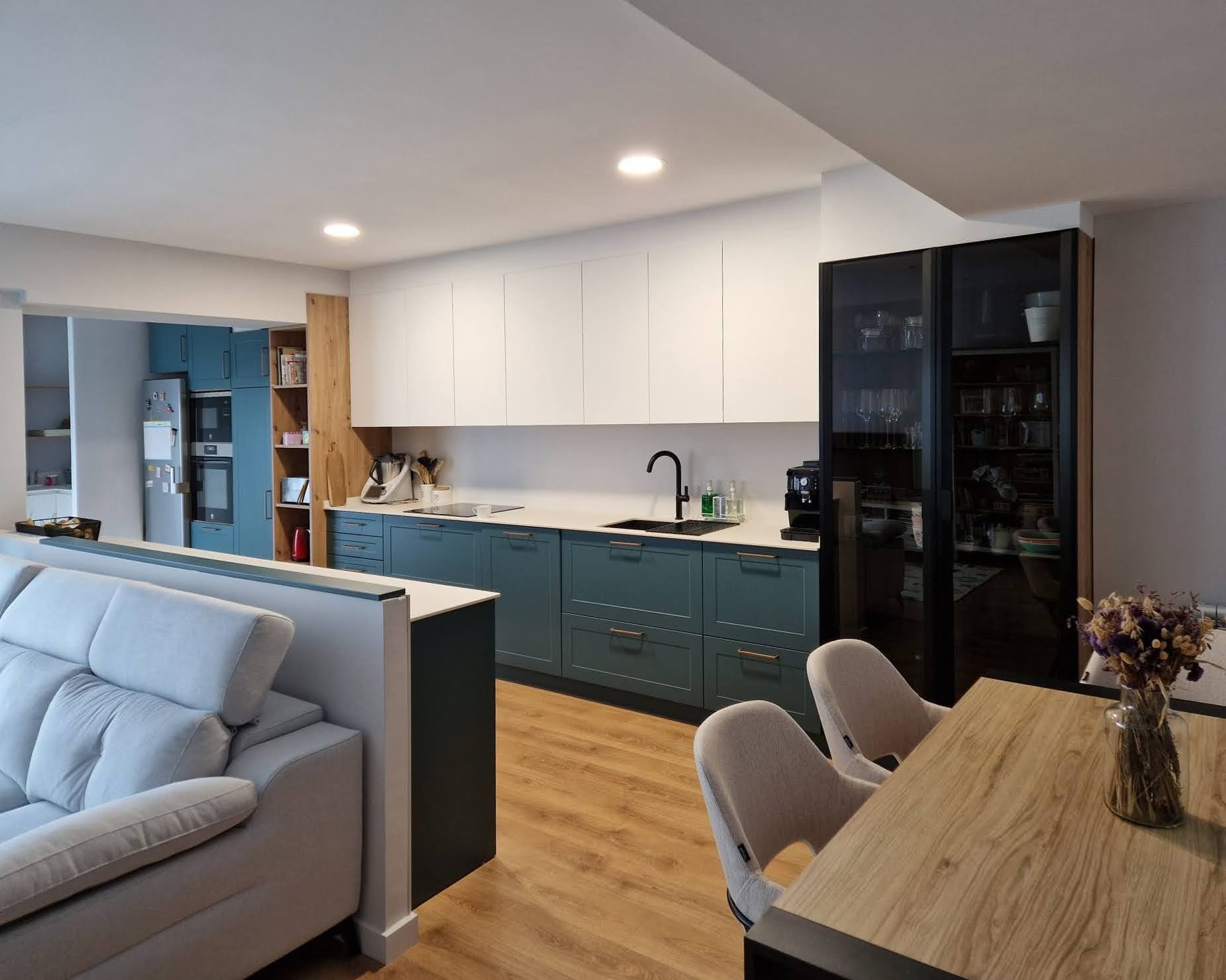
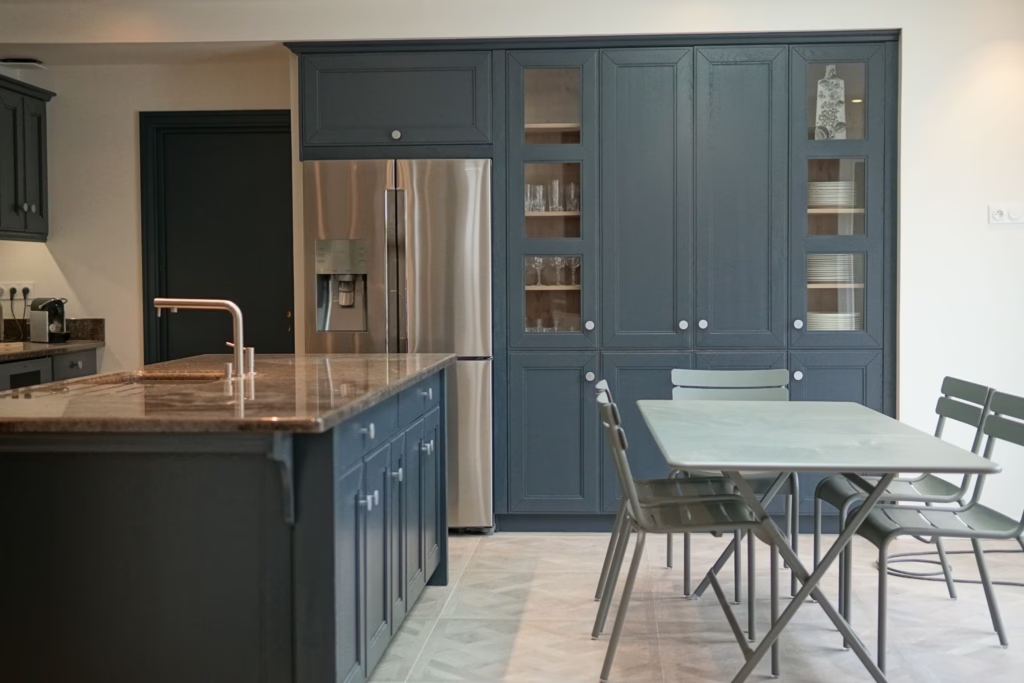
- Dark, intense tones. Colours like petrol blue, deep olive green or matte black on moulded fronts create sophisticated, characterful spaces. Unlike dark flat-front kitchens, which can sometimes feel overly cold, the moulding breaks up the uniformity of the dark colour, adding nuance and warmth. Blue moulded cabinetry, combined with light worktops and natural wood details, creates an atmosphere that’s both welcoming and striking.
- The timelessness of neutrals: Sand, pearl grey or off-white tones soften the lines of the mouldings. They’re the safest choice if you want a kitchen that won’t date with time or trends. What’s more, in spaces where the kitchen opens directly onto the living room, these tones make it easier for the cabinetry to blend naturally with the rest of the home’s interior design, working more like an extension of the living-area furniture than a purely technical space.
Balancing materials
For a kitchen with mouldings to truly work and not tip into excess, it’s essential to find the right counterpoint through the right material so the space doesn’t feel overloaded. For example, alternating moulded fronts with the warmth of wood.
The choice of work surfaces, as you’d expect, plays a key role. Natural stone or porcelain worktops with subtle veining and matte finishes pair perfectly with the relief of mouldings, softening their contrasts.
Another classic element that enhances this type of design is glass-front cabinets. Integrating tall units with glass fronts breaks up the continuity and lightens the overall look. With integrated, well-planned interior LED lighting, glass-front cabinets not only reduce the kitchen’s visual weight, but also create a very sophisticated focal point at night—ideal for homes where the kitchen is the hub of social gatherings.