Elongated kitchens are very common in flats and homes in urban areas, and although at first glance they may seem like a headache to organise, with good planning they can be both beautiful and functional spaces.
In this article we are going to give you our interior designers’ guide to creating the perfect layout to make the most of an elongated kitchen.
Types of layout for elongated kitchens
Depending on the space you have several options for furnishing an elongated kitchen, let’s take a look at the advantages of each of them.
In-line or corridor kitchen (one wall)
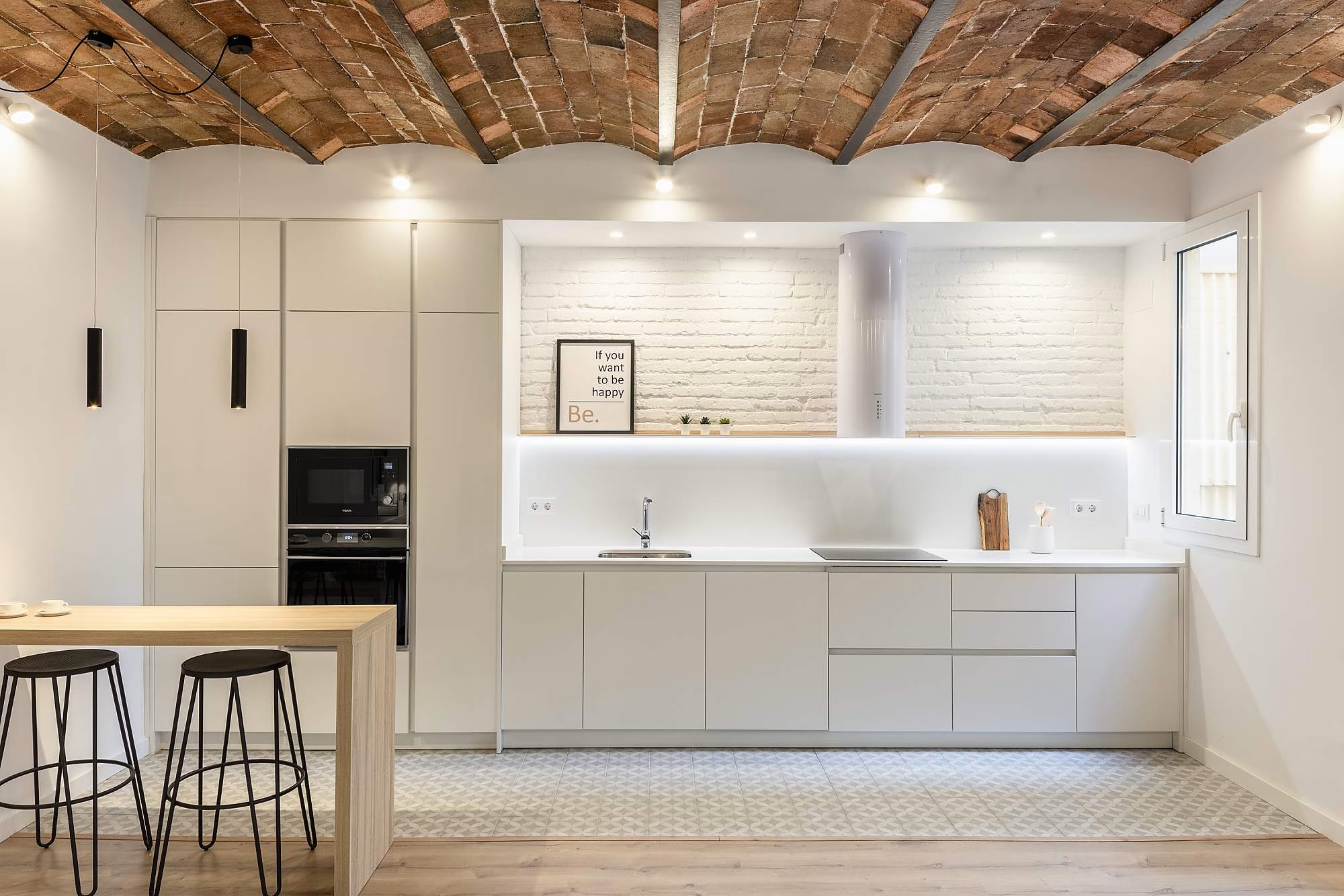
This type of layout is perfect for small homes or very narrow spaces, as it concentrates all the elements of the kitchen in a single area. By having the sink, hob, worktop and appliances lined up, the result is a clean, minimalist design, which also creates a tidier visual sensation. However, you have to take great care to keep things tidy, as any object in the way breaks up the harmony of the kitchen.
To decorate and organise this space, you can make the most of one side with full-height units that provide vertical storage, while the rest should be in light colours and glossy finishes, as they help to visually widen the corridor. A continuous worktop without cuts reinforces the feeling of spaciousness and, so as not to overload, it is best to reserve open shelves only for strategic points. The combination of white furniture with light wood or subtle black details provides contrast and style without saturating the room.
Parallel or gallery kitchen
When space permits, the distribution in two opposite fronts is one of the most functional. It allows you to make better use of the surface area and organise the kitchen by zones: one side can be used for cooking and the sink, while the other is reserved for storage or a worktop. It is especially practical for those who enjoy cooking, as it offers a balanced work triangle and fluidity of movement.
In narrow kitchens, it is more balanced to place the upper units on one side only, thus avoiding the feeling of a tunnel. Keeping the worktop uncluttered is also key: grouping small appliances in a single area helps to free up space and allow the space to breathe. To improve functionality, linear lighting under the cabinets ensures a well-lit, shadow-free corridor. In addition, combining a light-coloured front with another in warmer tones, such as wood or a soft grey, adds dynamism without detracting from the spaciousness.
Elongated L-shaped kitchen
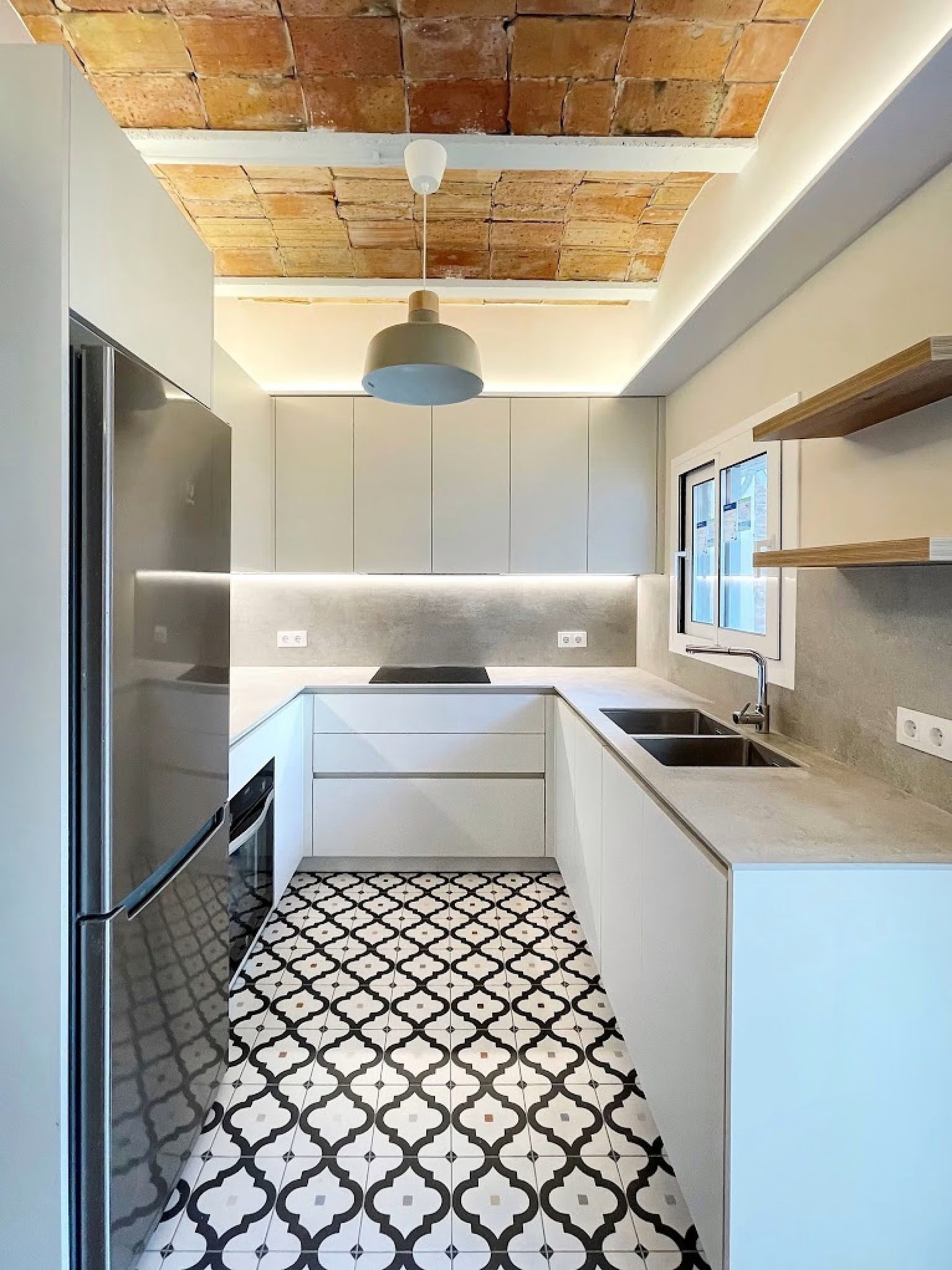
The L-shaped layout is a very comfortable and versatile option, as it provides a larger work surface and more freedom of movement. It adapts very well to spaces with an open end or with side windows, allowing you to make the most of natural light. In addition, the L shape helps to efficiently organise the work triangle and leaves one of the sides free, which makes it easier to incorporate a small office or a bar if it opens onto the living room.
In an L-shaped kitchen, it is ideal to place the main points of the work triangle (sink, hob and fridge) in the long section to make everyday life more comfortable. The short side can be used as a support surface or even as a small breakfast nook. Decoratively, it works very well to combine plain furniture with a tiled wall or a different wall covering on that side, as it adds character and personality to the whole. And if the kitchen opens onto the living room, that same short section can be transformed into a bar with stools to reinforce the connection and sociability between the spaces.
Kitchen with island or peninsula
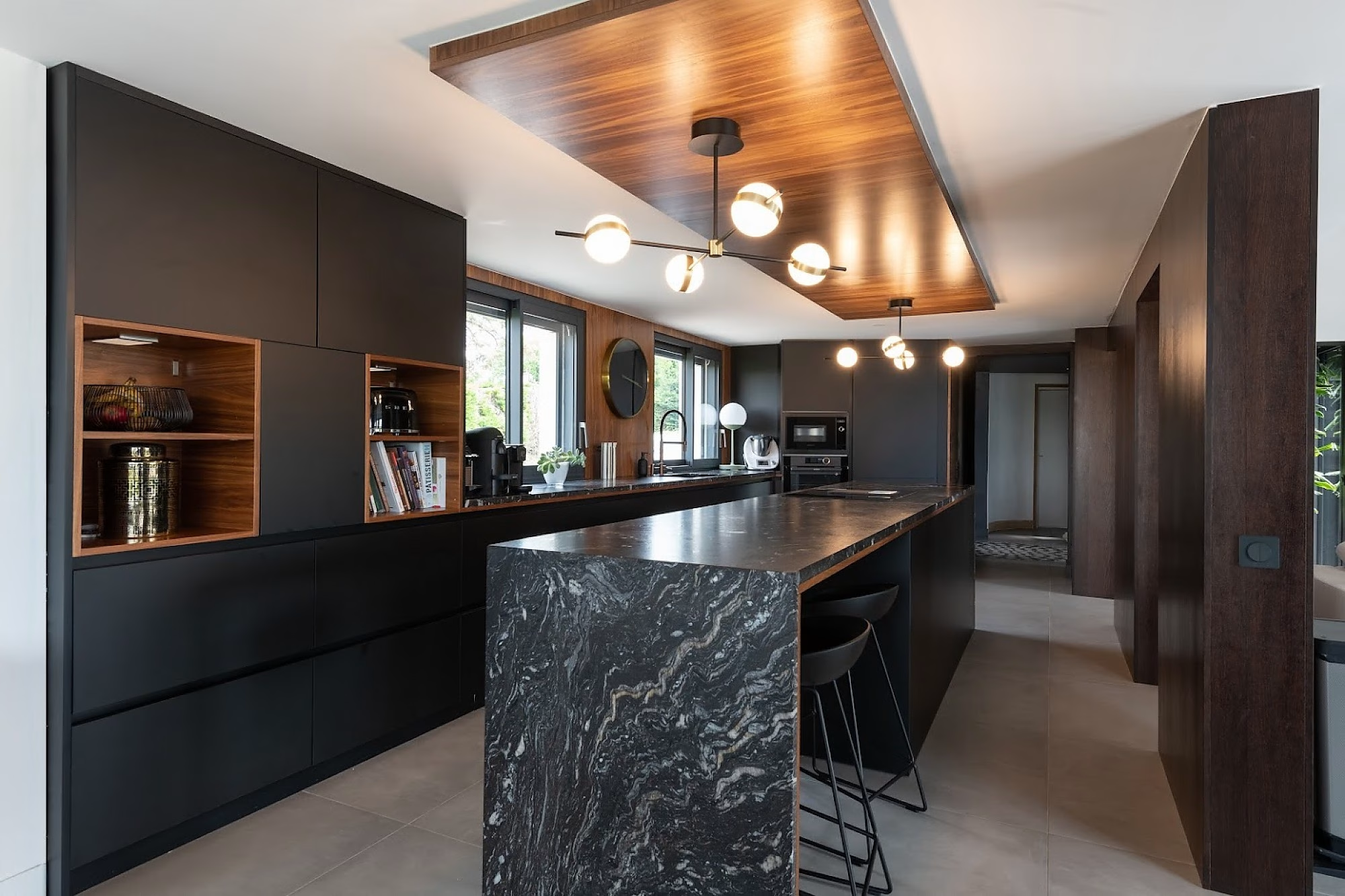
In larger, elongated kitchens, the island or peninsula becomes the main feature. Not only does it provide a focal point of design, but it also offers extra work surface, storage space and the possibility of integrating a cooking area or even a breakfast bar. It is an ideal option for kitchens that open onto the living room, as it encourages interaction and turns the kitchen into a social space. It does, however, require a good study of the space so as not to hinder circulation.
When incorporating an island in the kitchen , it is important to leave at least 90 cm of space around it to ensure circulation and avoid blockages. If you also want to use it as an office, high wooden or metal stools give it a contemporary and functional feel. On the aesthetic side, differentiating the island with a different worktop (for example, white with veins as opposed to plain furniture) adds elegance and prominence to the whole. Focal pendant lighting over the island not only ensures practical light, but also becomes a key decorative element. And when space does not allow for a full island, a peninsula is the ideal alternative: it closes off the room without compromising on functionality.