
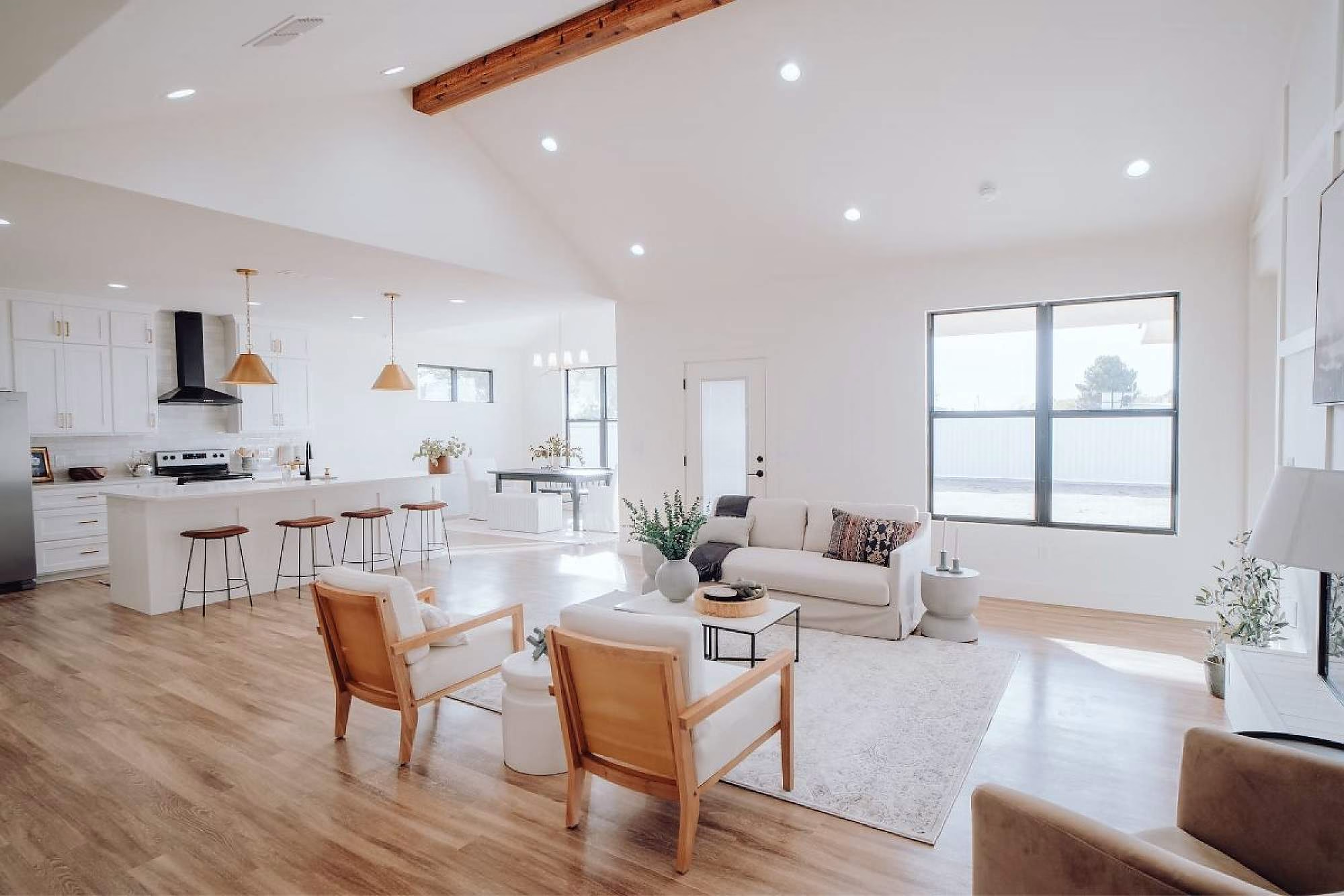
Thinking of opening up your kitchen to the living room? Don’t hesitate any longer! Except in exceptional cases, this decision will bring you more light, a greater sense of spaciousness, better communication with the rest of the house and its inhabitants, and more. These are all things that will definitely encourage you to spend more time in the kitchen (which is what we love most!).
But beware! We’ve identified some common design mistakes that can reduce the comfort and functionality of the space. Take note and avoid these errors in your open-plan kitchen.
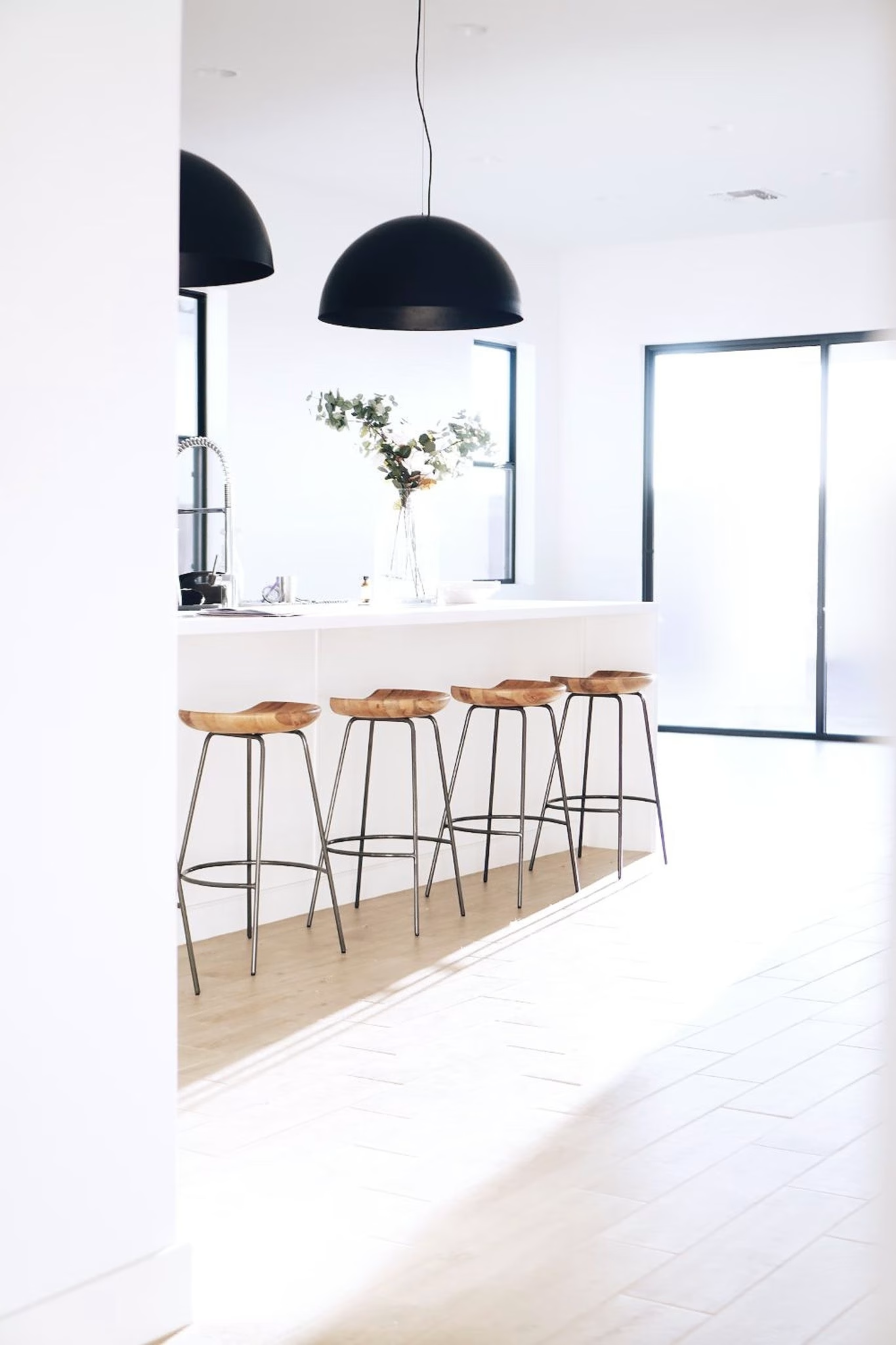
Not planning the flooring in advance
Although it may seem obvious, continuing to think of an open-plan kitchen and living room as two separate spaces is a very common mistake. What we have now is a single room where everything should flow and be in harmony.
The first element we should consider, and which can give us the keys to the rest of the decor, is under our feet. Should we use the same flooring for the entire room or two different types for different areas? Like everything in life, it depends: on the layout, the existing materials, the atmosphere we want to create…
To help clarify your ideas, check out our article Open-plan kitchens: the same flooring or two different types?
Leaving appliances on display
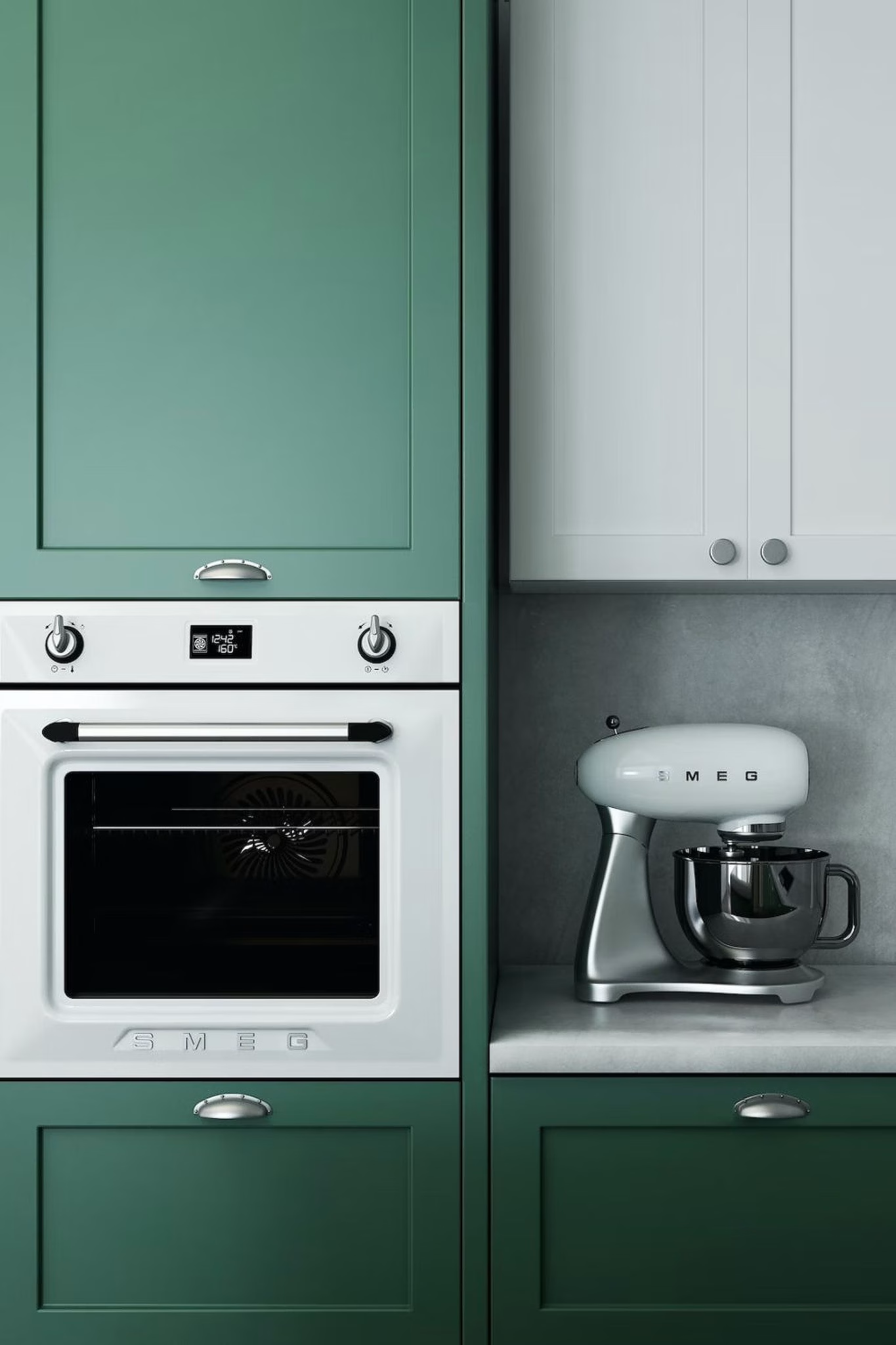
Following the same line of thought as the previous tip, you should consider what you’re going to do with the appliances, especially the larger ones like the refrigerator, extractor hood, dishwasher, washing machine…
In a closed kitchen, you only see them when you’re in it; but in an open space, they can visually dominate the entire room. So we suggest that you either choose designer appliances that you love or follow the current trend of integrating them into the furniture (highly recommended to create unified spaces).
Putting the Relaxation Area Next to the Cooking Area
Remember this mantra: kitchen and living room, together but separate. Different aspects of our lives unfold in each area, and therefore, they should complement each other, not blend together. And, of course, create a coherent, pleasant, and functional transition between them.
The simplest way to do this is to “separate” them with a dining area. This is a hybrid space between household chores and leisure, between work and rest; a perfect transition.
And we’re not just talking about aesthetics, but also functionality. Imagine placing the sofa right up against, for example, the kitchen island, where the cooking area is located. Not only will the noise and smells from the kitchen be bothersome for the person relaxing, but communication will also be disrupted because the two spaces aren’t facing each other.
Not Planning for Storage
Opening up the kitchen to the living room also implies a change in your household habits, starting with tidiness. Working in the kitchen involves a lot of movement of utensils and food, which can quickly turn into (visual) chaos if you don’t plan your storage in advance.
We suggest you first analyze your most common actions in the kitchen and how you like to do them. Only then will you know what goes where. A basic example: if you’re someone who sweetens their coffee, you should put the sugar near the spoons and your favorite breakfast or snack items, like cookies or cereal.
From there, take advantage of the specific storage solutions we offer to keep everything in its place.


