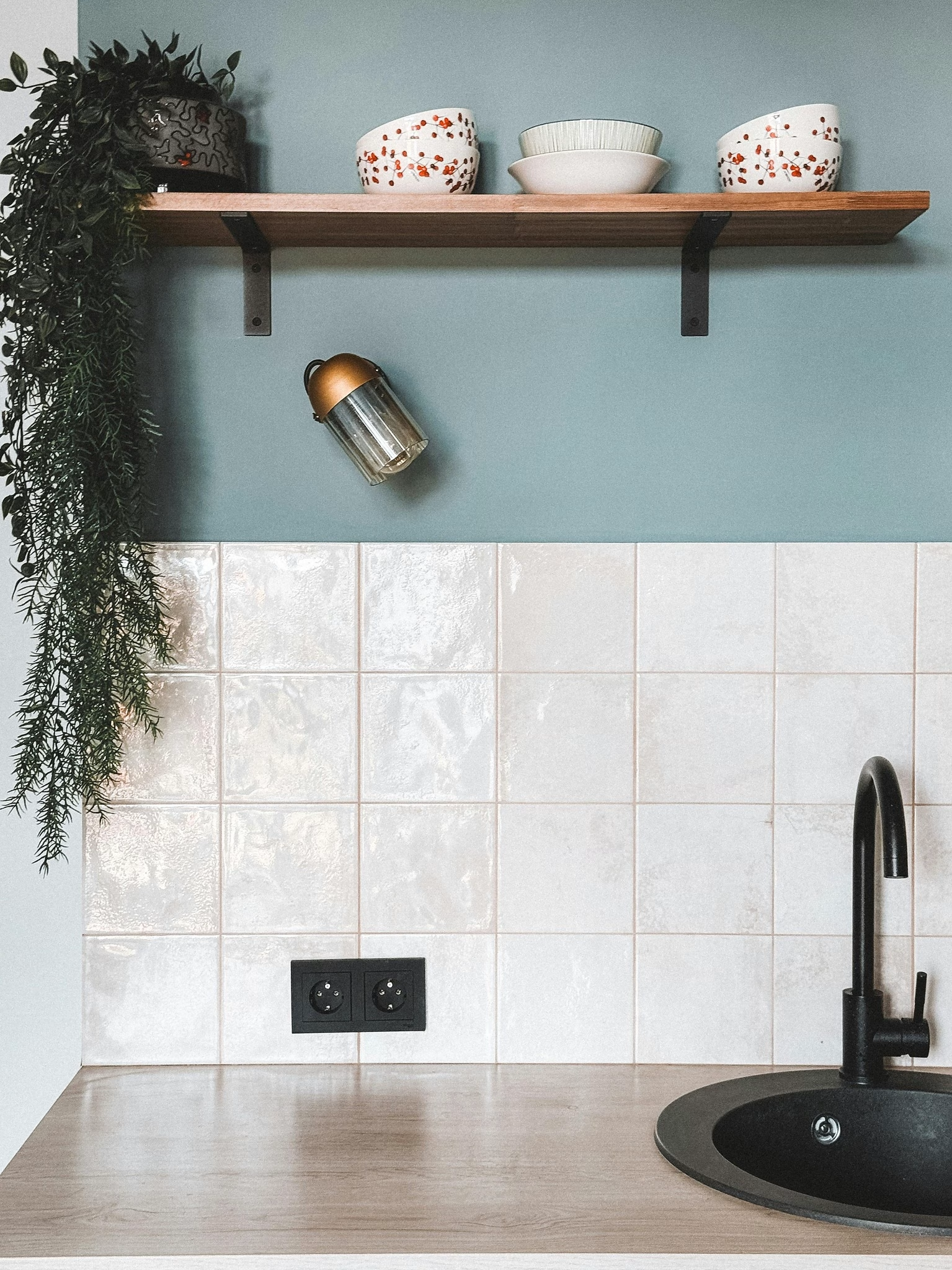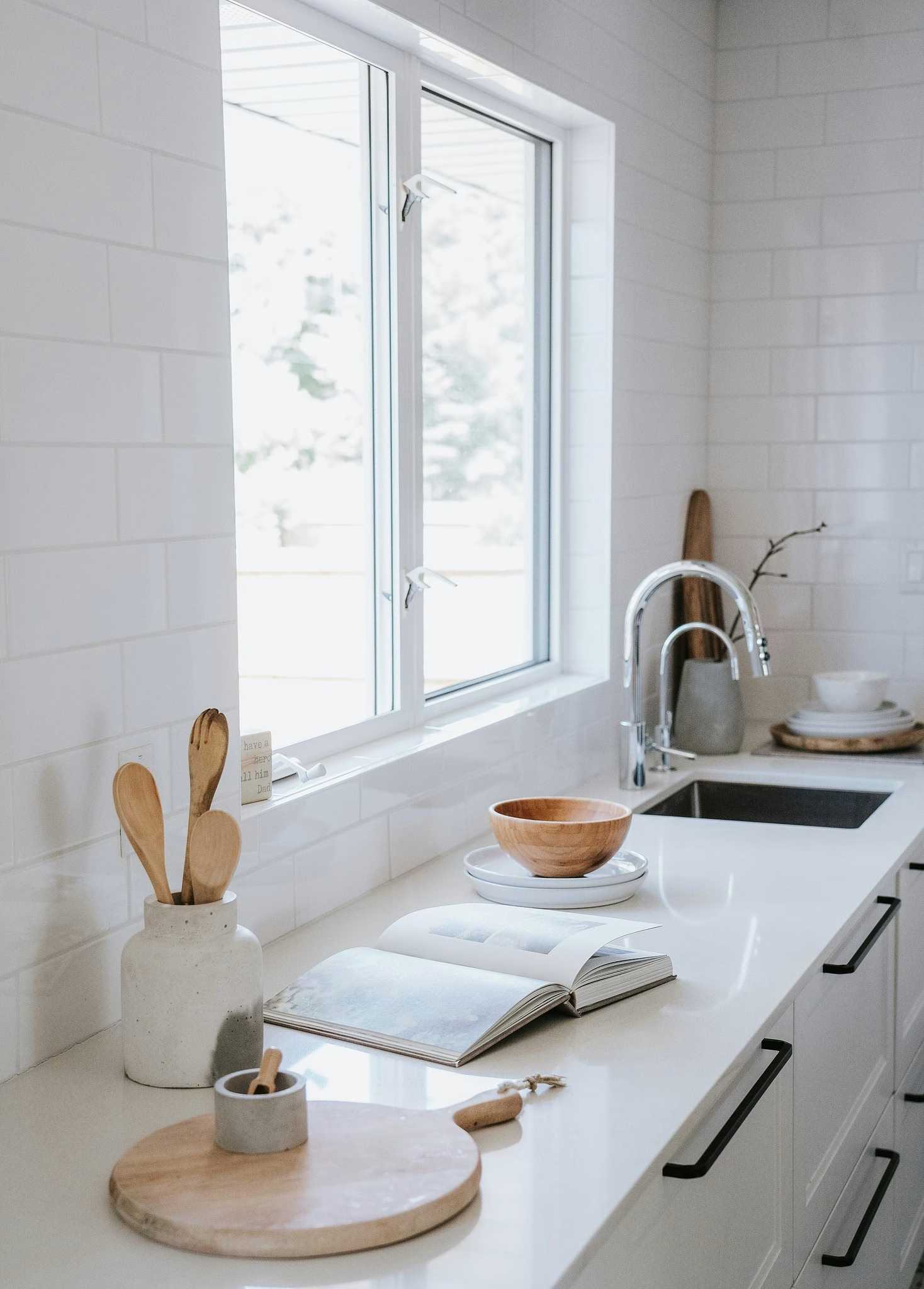
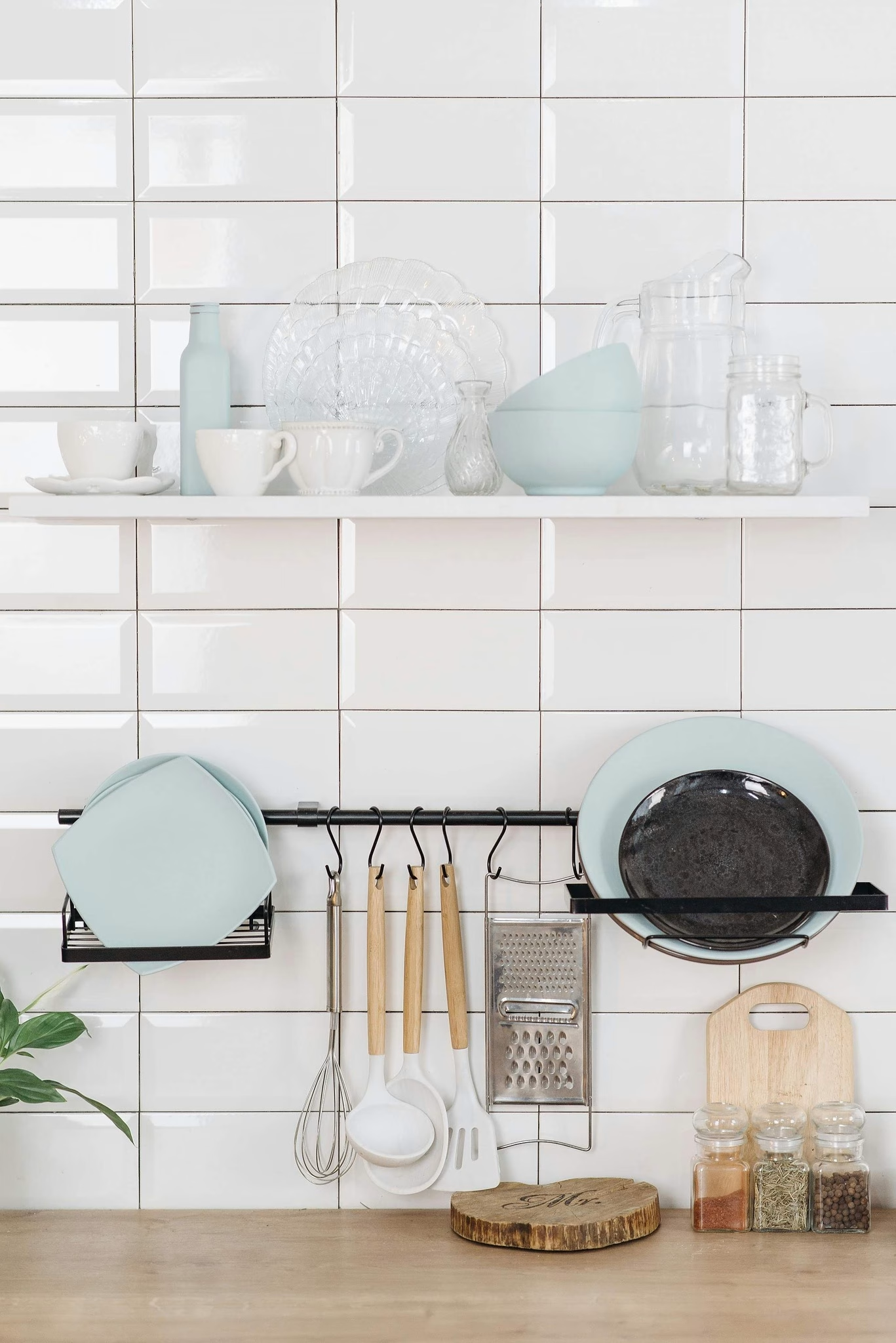
Changing the tiles is a great way to give your kitchen a complete makeover, but choosing the perfect type can be tricky. One of the main doubts that arise according to our customers is whether to opt for glossy or matte finish tiles. We don’t know what space you want to create, but we are going to compare both finishes so that you can make the best decision for your renovation.
Comparison between gloss and matt tiles
It may seem that the difference is merely aesthetic, but each option presents a series of advantages and disadvantages that you have to consider depending on the type of kitchen you want to achieve. Below we take a closer look at each of the options.
Characteristics of gloss finish tiles
Gloss tiles have a smooth, reflective finish that helps to brighten up any space. This type of surface is ideal for creating a modern and stylish ambience.
Advantages and disadvantages
Advantages:
- Brighter: Thanks to their reflective surface, gloss tiles help maximise natural light in the kitchen, making it appear larger and brighter.
- Easy to clean: Stains and grease tend to slide off without leaving residue thanks to their smooth surface.
- Polished and modern finish: Ideal for kitchens looking for a sophisticated style.
Disadvantages:
- Visible marks: Although they are easy to clean, any fingerprints, water or stains can be easily noticed.
- Slipperiness: Some can be slippery, which is a consideration, especially in areas close to wet areas of the kitchen such as the sink.
Recommended uses
Glossy tiles are ideal for small kitchens as they reflect light and can give a sense of spaciousness. They are also recommended for accenting specific areas, such as backsplashes or walls in contemporary kitchens.
Recommended decorating styles
Glossy tiles work well in kitchens with a modern, minimalist, industrial or even Mediterranean style design, where natural light is essential to highlight colours and textures.