The floor is the foundation of any room in the home. The material we choose, slab size, colour, tone, etc. can enhance the beauty of a room or make it squeak to say the least.
With kitchens, this effect is even more striking, which is why it is essential to choose the type of flooring wisely, whether it is for a closed kitchen or for open kitchens. To help you, we have created this little guide:
Factors to consider when choosing kitchen flooring
We have selected three essential aspects to consider when you are faced with the choice of flooring for your new or renovated kitchen:
Resistance to wear and tear
Objects that fall and hit the floor while cooking, dragging the shopping trolley or moving those objects that are never missing in this space, such as the laundry basket, are common gestures that deteriorate our floor. Not to mention the fact that we are talking about one of the main transit areas in the house.
If we are aware of these details, we will come to the conclusion that, among all the floors in the rooms of a home, the kitchen floor should be the most resistant, perhaps together with the bathroom floor. What materials provide us with high resistance to wear and tear? Porcelain and vinyl are two good options to consider.
Ease of cleaning
If there is one thing we know for sure when working in the kitchen, it is that the floor is never going to be spotless. The only solution to this problem is to choose a floor model that, due to its characteristics and colour, ‘disguises’ these dirt marks and, of course, is easy to clean. In this last aspect, there are two types of floors that, as they have smooth surfaces, are easier to maintain: vinyl and porcelain.
Aesthetics and design
Of course, as we mentioned at the beginning, the type of floor we choose must be in harmony with the design of our kitchen, as well as contributing to enhance the style chosen for it.
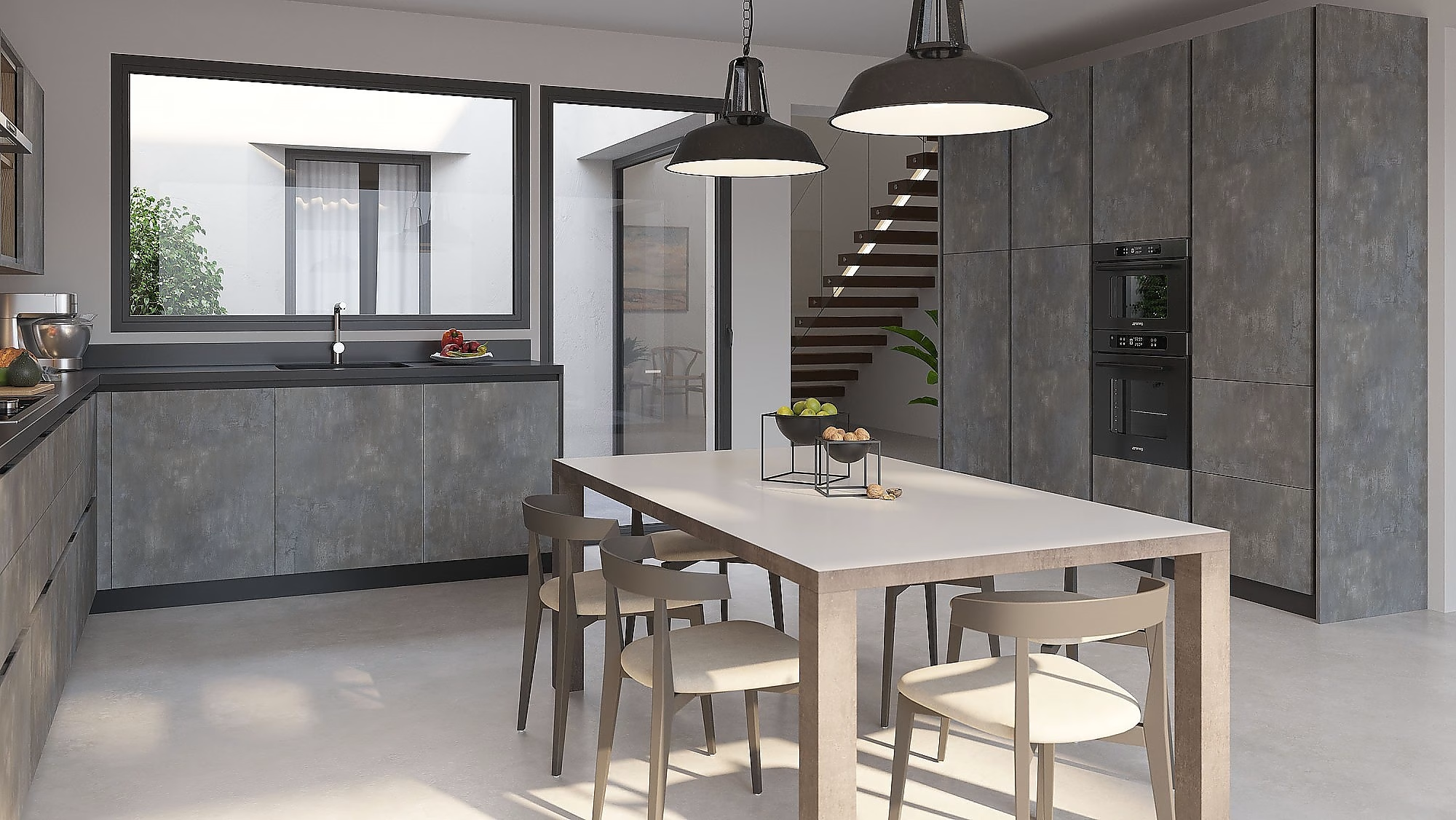
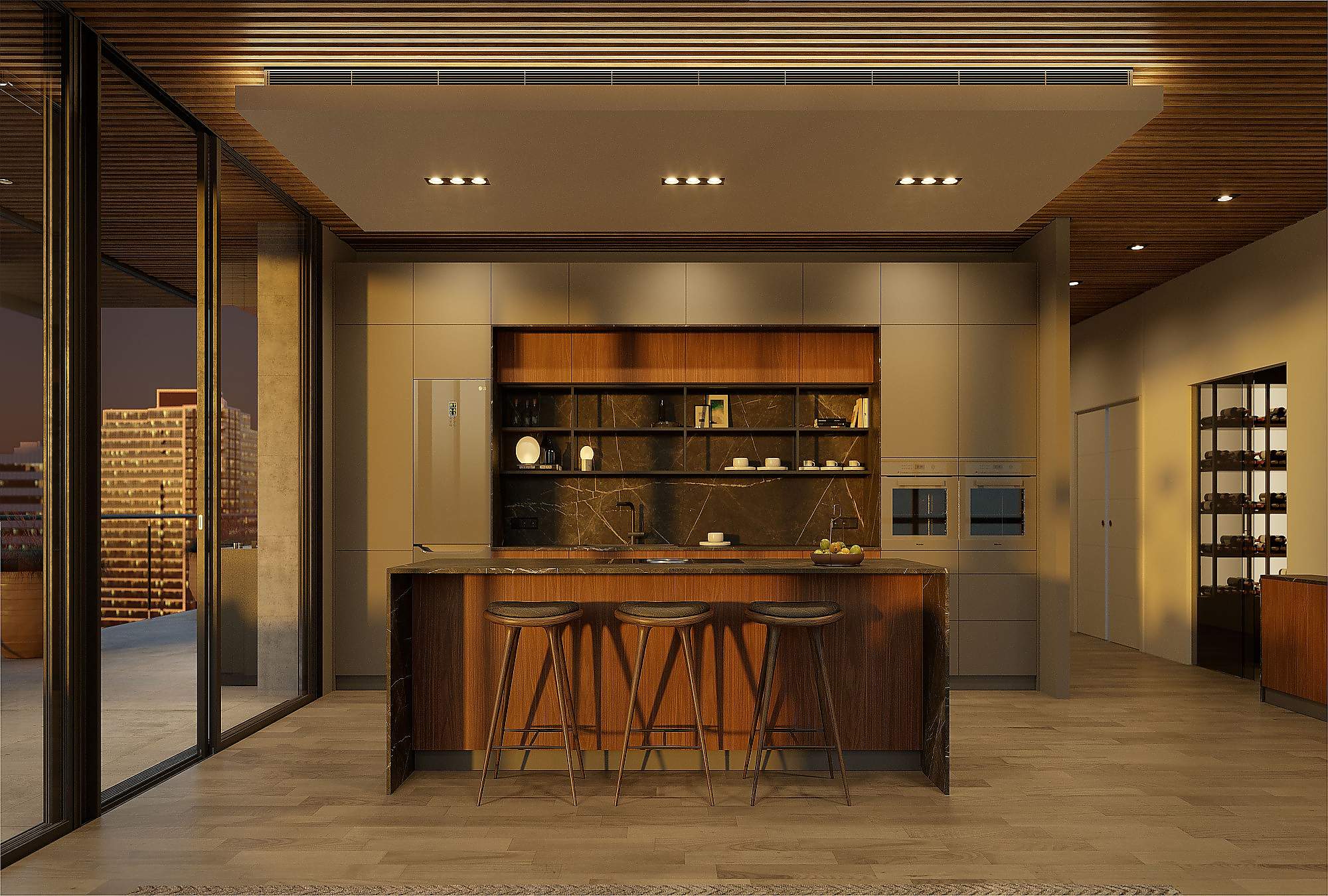
If you want to bring naturalness, treated wood can be a good choice, for example for the floor of a white kitchen, as it gives a feeling of warmth. On the other hand, if our kitchen is modern or even has an industrial feel, microcement is the best material for the floor.
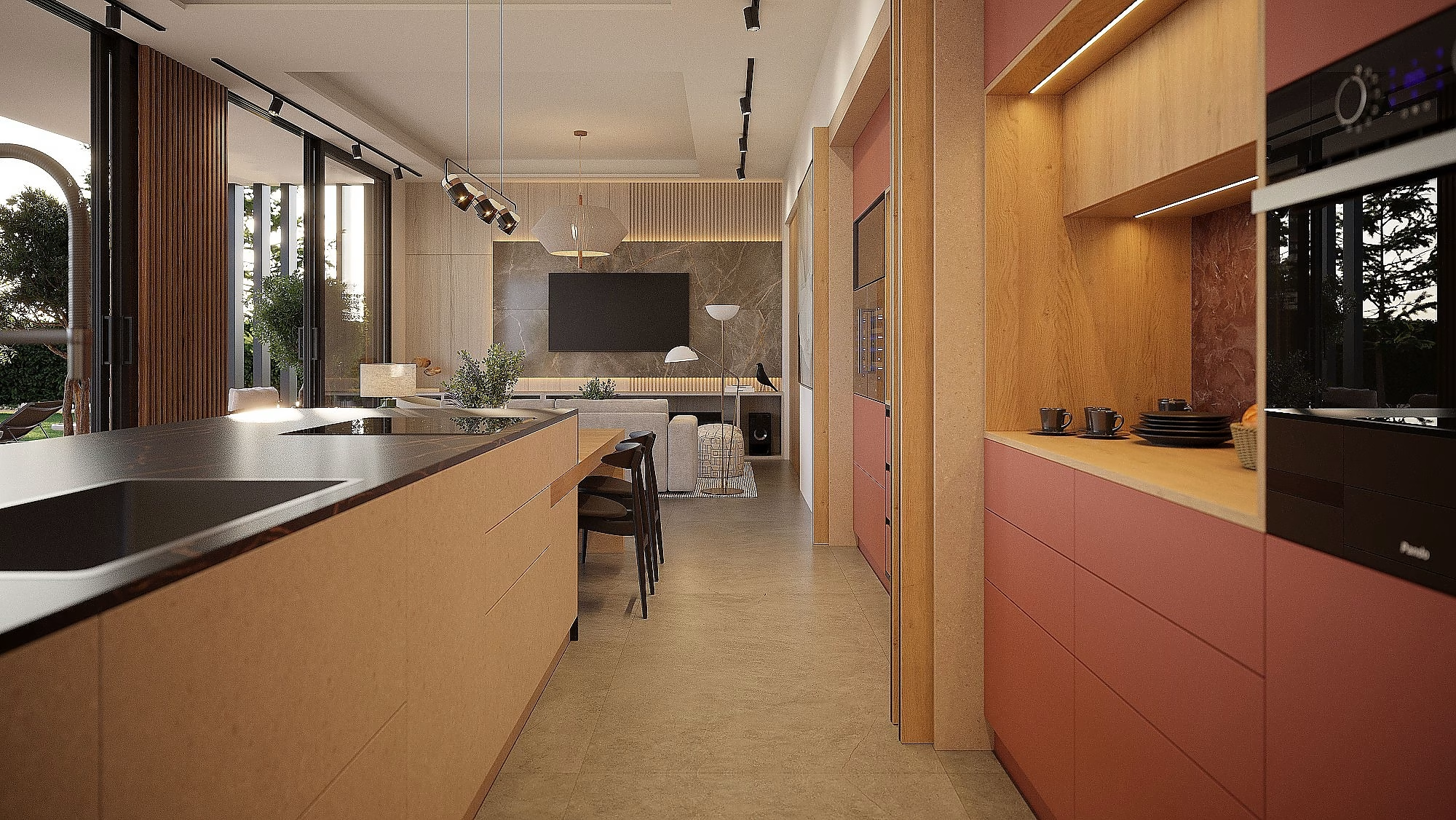
Likewise, vinyl and porcelain tiles have a wide variety of designs, including imitations of other materials, such as stone or wood. This versatility represents a great aesthetic advantage to be valued.